00%
Cooling systems
πŸ”
6 quality gatessource to dispatch
🏷️
Traceablebatch to buyer
Home/Quality
Quality & hygiene

Quality is a process.

Not a promise on a label. Six quality gates, a pre-shipment inspection and batch traceability, built around the way frozen fish is actually handled, packed and shipped.

6 quality gates6 pre-shipment checksBatch traceability
Six quality gates

Every stage has a gate.

Quality is not one inspection at the end. It is a gate at every stage of the chain, from sourcing to the sealed container.

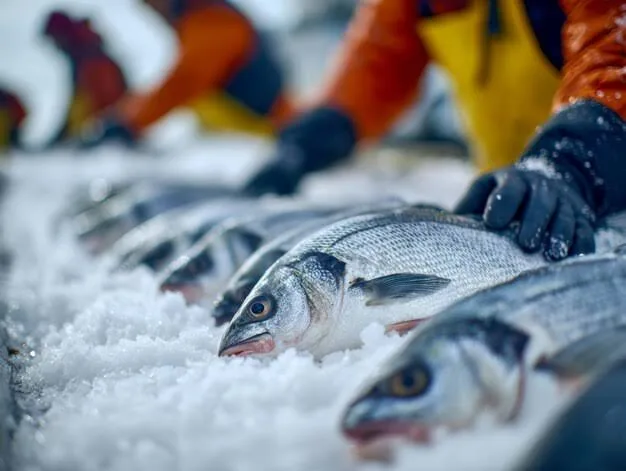
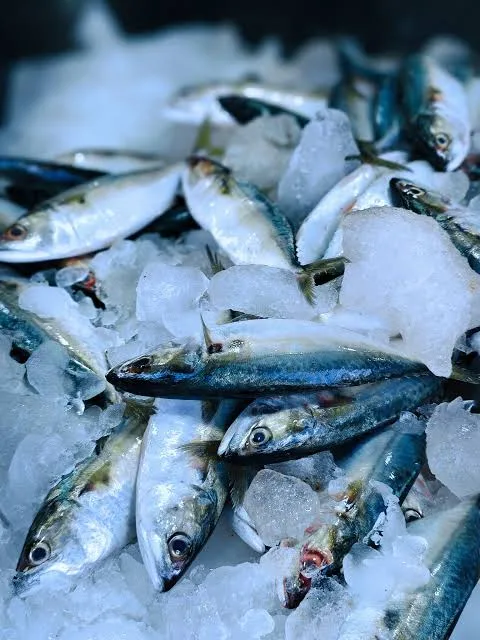
Fresh fish on ice at the point of sourcing
Quality gate 01 / 06

Start with the right product

Quality begins before anything reaches us. We source through supply channels we can trust and confirm species, size and origin details up front, so the specification you agree is the specification we work to.

  • Species, size and grade confirmed
  • Origin and supplier information recorded
  • Specification agreed before ordering
Gloved hands checking fish on ice during receiving
Quality gate 02 / 06

Check it in properly

Incoming lots are checked for condition, temperature and paperwork before they enter our chain. Anything that does not meet the specification is dealt with at this stage, not later.

  • Condition and appearance checked
  • Temperature checked on arrival
  • Documents matched to the lot
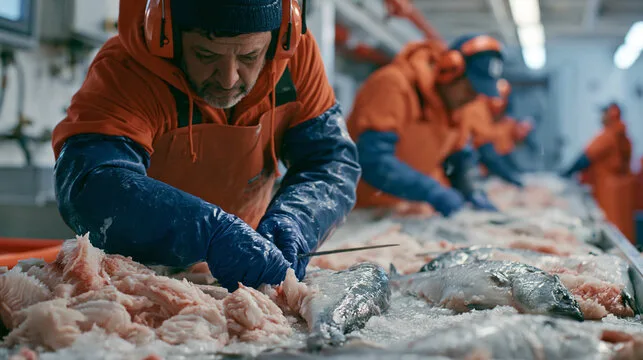
Workers in protective clothing sorting fish on a processing line
Quality gate 03 / 06

Clean hands, cold product

Sorting and grading are done by staff in protective clothing, with product kept cold and moving. Clean surfaces, clean tools and short handling times protect both safety and quality.

  • Protective clothing and clean tools
  • Product kept cold while it is handled
  • Short, orderly handling windows
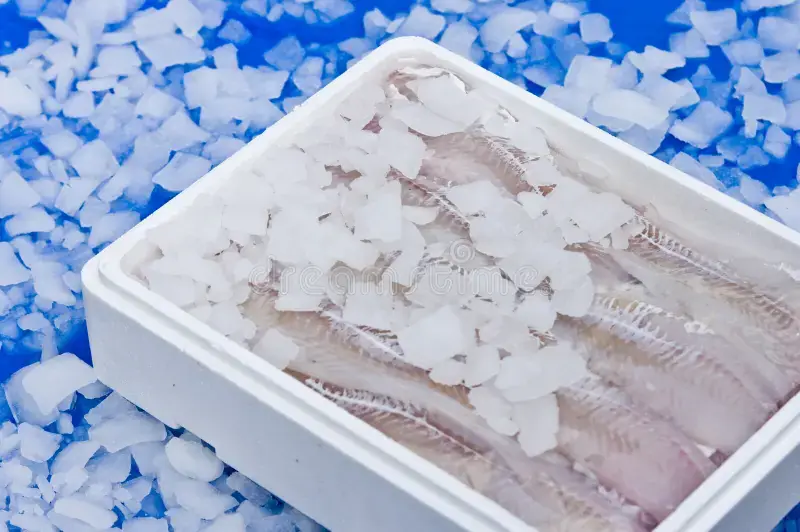
Frozen fish fillets packed with ice in a foam box
Quality gate 04 / 06

Freeze fast, freeze right

Fast freezing forms small ice crystals that protect texture, and the product core is taken to the frozen target. Frozen product then goes straight into stable cold storage.

  • Fast freezing to protect texture
  • Core taken to βˆ’18Β°C or colder
  • Moved straight into cold storage
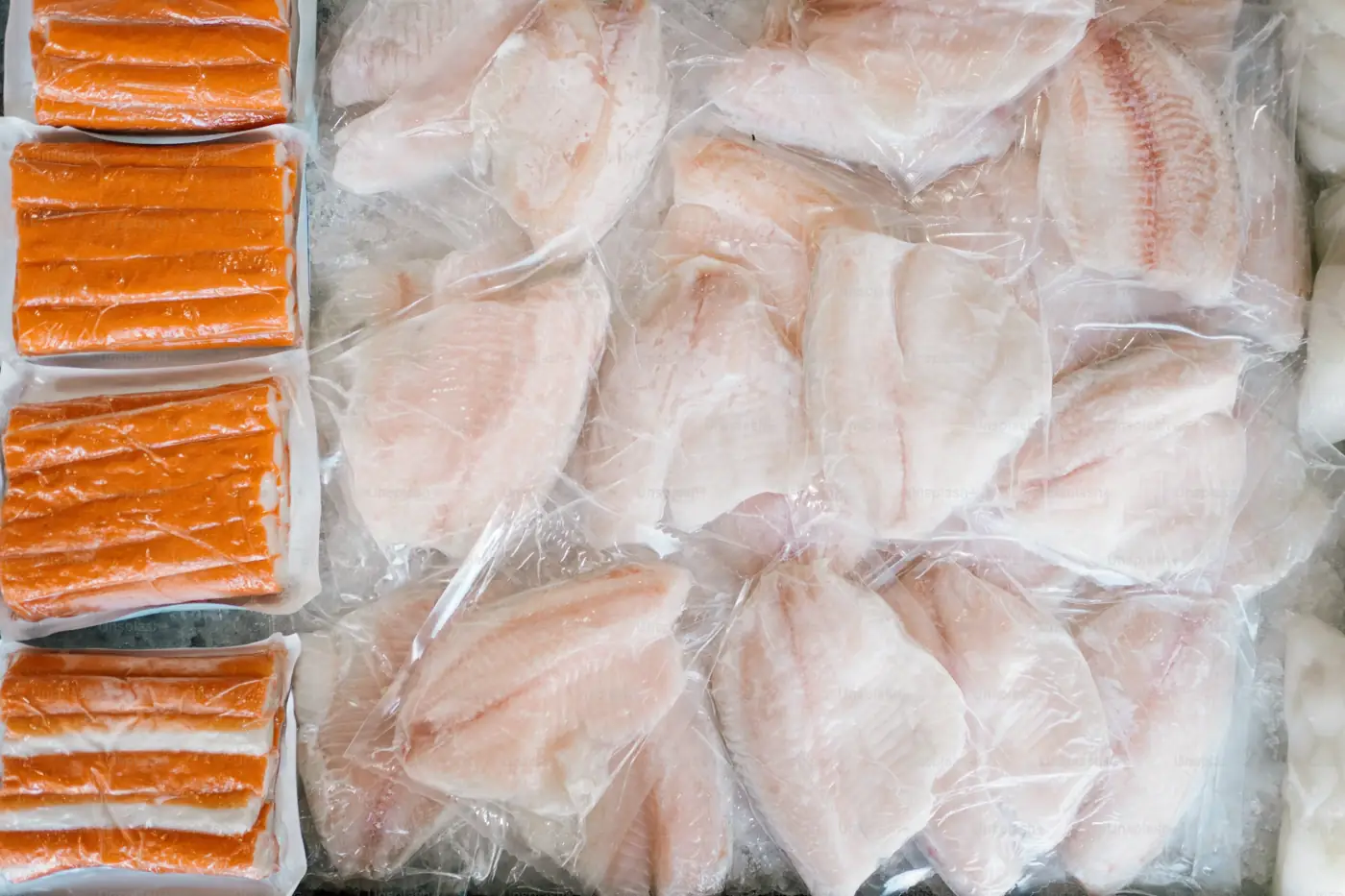
Individually packed frozen fish fillets in clear packaging
Quality gate 05 / 06

Packed to specification

Cartons are packed, weighed and labelled to the agreed specification, including pack format, glaze and batch information, so what is on the label is what is in the carton.

  • Pack format and glaze as agreed
  • Weight and count checked
  • Labels carry batch information
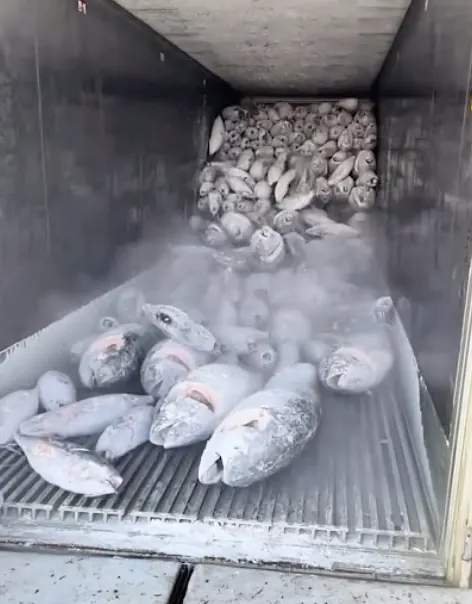
Frozen fish loaded inside a refrigerated container
Quality gate 06 / 06

Final check, then loading

Before loading, the shipment gets a final check. The container is pre-cooled, cartons are stowed for airflow and the container is sealed and recorded against the documents.

  • Pre-shipment inspection completed
  • Pre-cooled container, correct stowage
  • Seal number recorded in documents
0quality gates, source to dispatch
0pre-shipment checks per shipment
0links in the traceability chain
0Β°Cfrozen target or colder
Interactive

The pre-shipment inspection.

Before a container is sealed, every shipment is checked against the specification. Run through the six checks.

❄ βˆ’18Β° FROZEN FISH Β· CARTON 123456
0 / 6 checks passed
Traceability

From batch code to buyer.

Every carton can be linked back along the chain, so questions can be answered quickly and with facts.

🏷️
Batch codeAssigned at packing
🧊
Cold-store lotLinked to the batch
πŸ“¦
Carton labelCarries batch information
πŸ”’
Container & sealMatched to documents
🀝
BuyerDelivered and traceable
Buyer’s guide

How to check frozen fish on arrival.

Good receiving practice protects you and helps us resolve any issue quickly. Here is what to look for.

πŸ“¦The cartons

Clean, dry, undamaged and properly closed
Labels readable, batch code present
Hard-frozen to the touch
Crushed, wet or stained cartons
Soft or warm cartons

🐟The product

Firm, with an even, glossy glaze
Natural colour and a clean smell
White, dry patches (freezer burn)
Heavy frost or large ice crystals in the pack
Soft spots or off odour

πŸ“‹The records

Container and seal numbers match the documents
Arrival temperature recorded
Batch code matches the packing list
Broken or mismatched seal
Missing or inconsistent documents
Documents on request

Proof, not just promises.

We share the documents available for your order and your market. Ask for what you need when you enquire.

πŸ“‹

Product specification

Species, size, pack format, glaze and temperature as agreed.

🏷️

Packing & labelling details

Carton markings, batch information and pack formats.

🧾

Traceability information

Batch and lot details linked to your shipment.

πŸ₯

Health & origin certificates

Provided where the destination country requires them.

πŸ“ˆ

Temperature records

Reefer or logger data where available.

πŸ“Έ

Loading photos

Ask us when you enquire and we will confirm what is possible.

Availability of each document depends on the product, origin and destination market. We confirm exactly what is available when you enquire.

Quality FAQ

Quality questions, answered.

How does NRB Foods check quality before shipment?

Each shipment goes through a pre-shipment check covering labels and batch codes, carton condition, product temperature, appearance and glaze, count and weight, and the container and seal. The checks are matched to the specification agreed with the buyer.

Which standards and certifications do you follow?

We work with cold-chain and hygiene practices expected in the frozen seafood trade and in line with destination-market requirements. Certification details held by NRB Foods and its supply partners are shared on request, so please tell us which documents your market needs.

What is ice glaze and why does it matter?

Ice glaze is a thin protective layer of ice applied to frozen fish to reduce dehydration and freezer burn. Because it adds to carton weight, the glaze percentage and net weight should be agreed in the product specification.

How can I tell if frozen fish has been temperature-abused?

Warning signs include heavy frost or large ice crystals inside the pack, dry white freezer-burn patches, soft spots, staining and off odours. A sound product is firm, evenly glazed and clean-smelling.

What should I do if cartons arrive damaged?

Record the container and seal numbers, take photos of the cartons and product, note the batch code and arrival temperature, and contact us straight away. With those details we can review the shipment with you and the forwarder.

Can I trace a carton back to its batch?

Yes. Cartons are labelled with batch information so a carton can be linked back to its lot, container and shipment documents. The exact labelling is agreed in the product specification.
Let’s work together

Quality you can verify.

Tell us your specification and the documents your market needs. We’ll confirm what we can provide.

WhatsAppGet quote